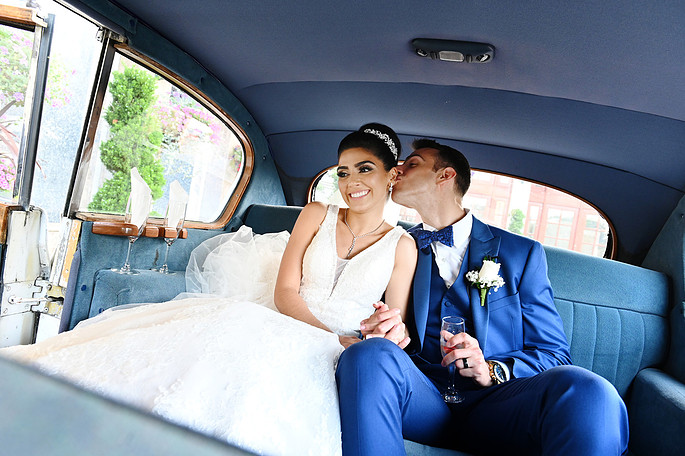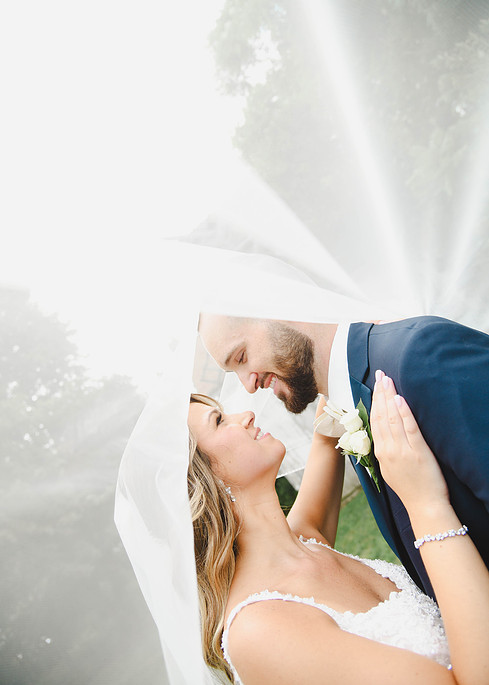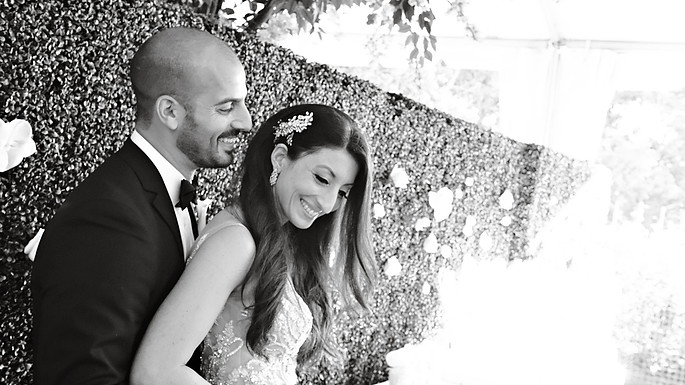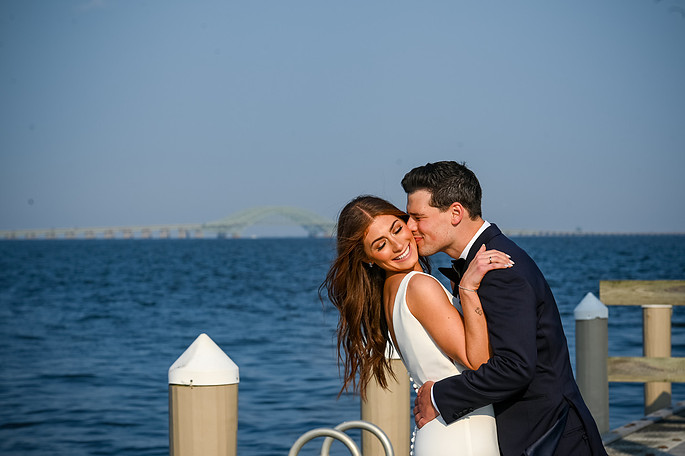
Wedding Photography Trends 2026 are shaping a new kind of wedding album—one that feels real, intentional, and timeless. Couples still want portraits. However, they’re asking for less “pose” and more connection. They want images that look elevated, but they also want the day to feel lived-in and honest. Below are the styles, techniques, and creative choices that are defining modern wedding coverage this year.
1) Candid Moments Lead the Story
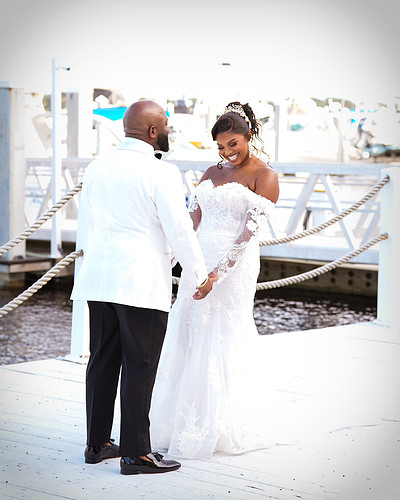
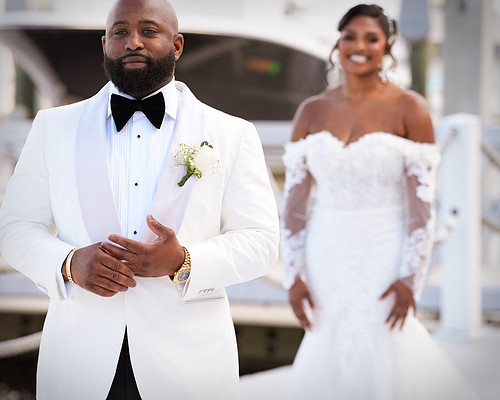
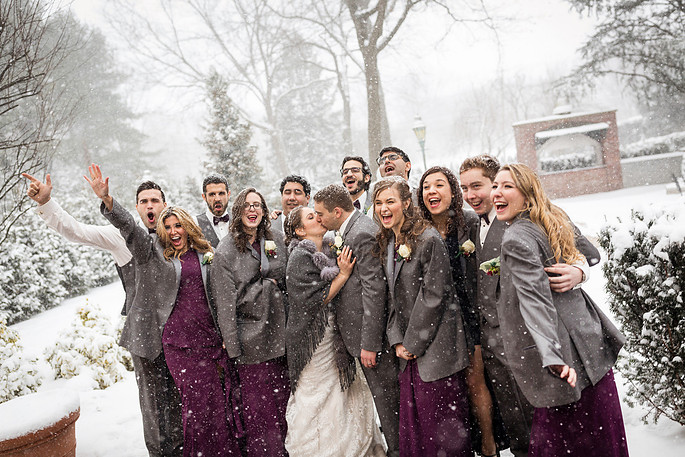
Candid photography continues to dominate because it captures what couples actually remember. Instead of staging every emotion, photographers are focusing on reactions, movement, and genuine energy. That includes the quiet moments too. For example, the way a parent watches the ceremony, the quick breath before the first look, or the laughter that happens during speeches.
This shift doesn’t mean “no direction.” It means direction that supports authenticity. A great photographer creates space for emotion, then steps back at the right moment. As a result, the gallery feels like a real story, not a photo checklist.
2) Documentary-Style Coverage Feels More Complete
Documentary storytelling is growing fast because it preserves the entire day, not just the highlights. This approach leans into real-time moments: getting ready, behind-the-scenes interactions, and the in-between scenes that connect everything. It also captures context—hands adjusting a veil, friends fixing boutonnieres, grandparents arriving, the texture of the room before guests fill it.
Documentary doesn’t mean “messy” or “random.” Instead, it’s curated honesty. The best documentary wedding work still has strong composition, flattering light, and intentional timing. It simply prioritizes reality over performance.
3) Creative Editing: Film-Inspired, Clean Color, and Cinematic Depth
Editing styles are evolving in 2026. Couples are asking for looks that feel consistent and refined. Many are drawn to film-inspired tones: softer highlights, gentle contrast, and skin tones that stay natural. Others want bold cinematic color—deeper blacks, richer saturation, and a moodier palette that looks like a still from a movie.
The biggest trend isn’t one specific preset. It’s consistency. A cohesive edit across the whole day creates a premium feel. Also, cleaner color correction helps images age well. That matters because trends shift, but timeless color holds value.
4) Environmental Portraits That Showcase the Setting
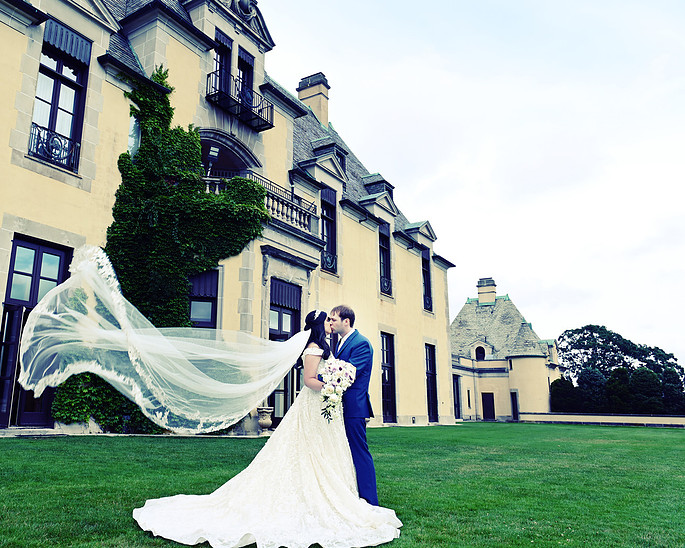
Environmental portraits are becoming a “must” because they connect the couple to the place. Instead of isolating people against a blurred background all day, photographers are mixing in wide frames that show scale, architecture, landscape, and atmosphere.
This works beautifully at:
-
Estates and waterfront venues (for dramatic space)
-
Ballrooms (for symmetry and lighting)
-
City weddings (for texture and energy)
-
Outdoor ceremonies (for natural color and depth)
Even a simple hallway, staircase, or garden can become a signature scene. The key is choosing moments when the light and background elevate the couple, rather than distract from them.
5) Drone Photography Keeps Growing (When Done Right)
Drone coverage remains popular because it adds a perspective you can’t get otherwise. Aerial shots are great for:
-
Establishing the venue and location
-
Showing ceremony layouts and guest scale
-
Capturing outdoor cocktail hours and reception flow
-
Creating cinematic transitions in albums and highlight reels
The best use of drone imagery is purposeful. One or two strong aerial photos can add huge production value. Too many can feel repetitive. Also, drone work should follow local rules and venue guidelines.
6) Micro-Weddings and Intimate Celebrations Stay Strong
Smaller weddings are still trending, and not just for budget. Couples want meaningful time with the people they love most. With fewer guests, timelines often relax. That creates room for better photos: more time for portraits, less rushing, and more genuine interaction.
Photographically, micro-weddings tend to produce:
-
Deeper emotional coverage
-
More personal details
-
More time in flattering light
-
Better “story flow” from start to finish
In other words, smaller often feels bigger in the final gallery.
7) Flash is Back (But It’s Smarter Now)
Flash photography is having a major moment, especially for receptions. Couples love the energy of crisp, bold party images. However, modern flash work is more intentional than the harsh on-camera flash look of the past.
Photographers are blending:
-
Clean direct flash for high-energy dance floors
-
Off-camera flash for editorial reception portraits
-
Mixed ambient + flash for depth and mood
This trend is all about vibe. It creates images that feel fun, fashionable, and alive.
8) Motion, Movement, and “Not-Too-Perfect” Perfection
Many couples want images that feel like a moment, not a pose. That’s why movement-based prompting is everywhere. Instead of “stand here and smile,” photographers guide couples into actions: walking, spinning, leaning in, whispering something funny, or dancing for a few seconds.
These prompts create:
-
Natural expressions
-
Softer body language
-
A more comfortable experience
-
More variety in less time
It also helps couples who feel camera-shy. Movement gives them something to do, which reduces stiffness.
9) Details Are Styled, Not Just Documented
Details are still important, but the approach is more elevated. Rather than simply photographing items on a table, photographers are styling details with intention. That includes cleaner backgrounds, better light, and compositions that feel like editorial still-life.
What’s trending:
-
Layered flat lays with texture (fabric, florals, stationery)
-
Simple, clean detail setups with negative space
-
Storytelling detail sequences (invitation → rings → bouquet → ceremony space)
Details matter most when they connect to the story of the day. So choose a few meaningful pieces, and photograph them beautifully.
10) Personalized Storytelling Over “One-Size-Fits-All”
The most important shift in Wedding Photography Trends 2026 is personalization. Couples aren’t asking for a template. They want their photos to reflect who they are: their culture, their style, their energy, and their priorities.
That can look like:
-
More time for family photos and heritage moments
-
A stronger fashion/editorial feel for portraits
-
A documentary approach for the full day
-
A candid focus with minimal posing
-
A “party-first” reception coverage style
The best galleries feel specific. They look like that couple—not “a wedding.”
Final Thoughts
If you’re planning your photography this year, don’t chase every trend. Instead, choose what fits your personality and your day. A great photographer will blend timeless technique with modern style, then tailor it to you. And that’s why Wedding Photography Trends 2026 ultimately point to one thing: honest emotion, captured beautifully.
View our wedding portfolio
Learn about our boutique engagement process
Drone photography regulations” to FAA drone rules page