
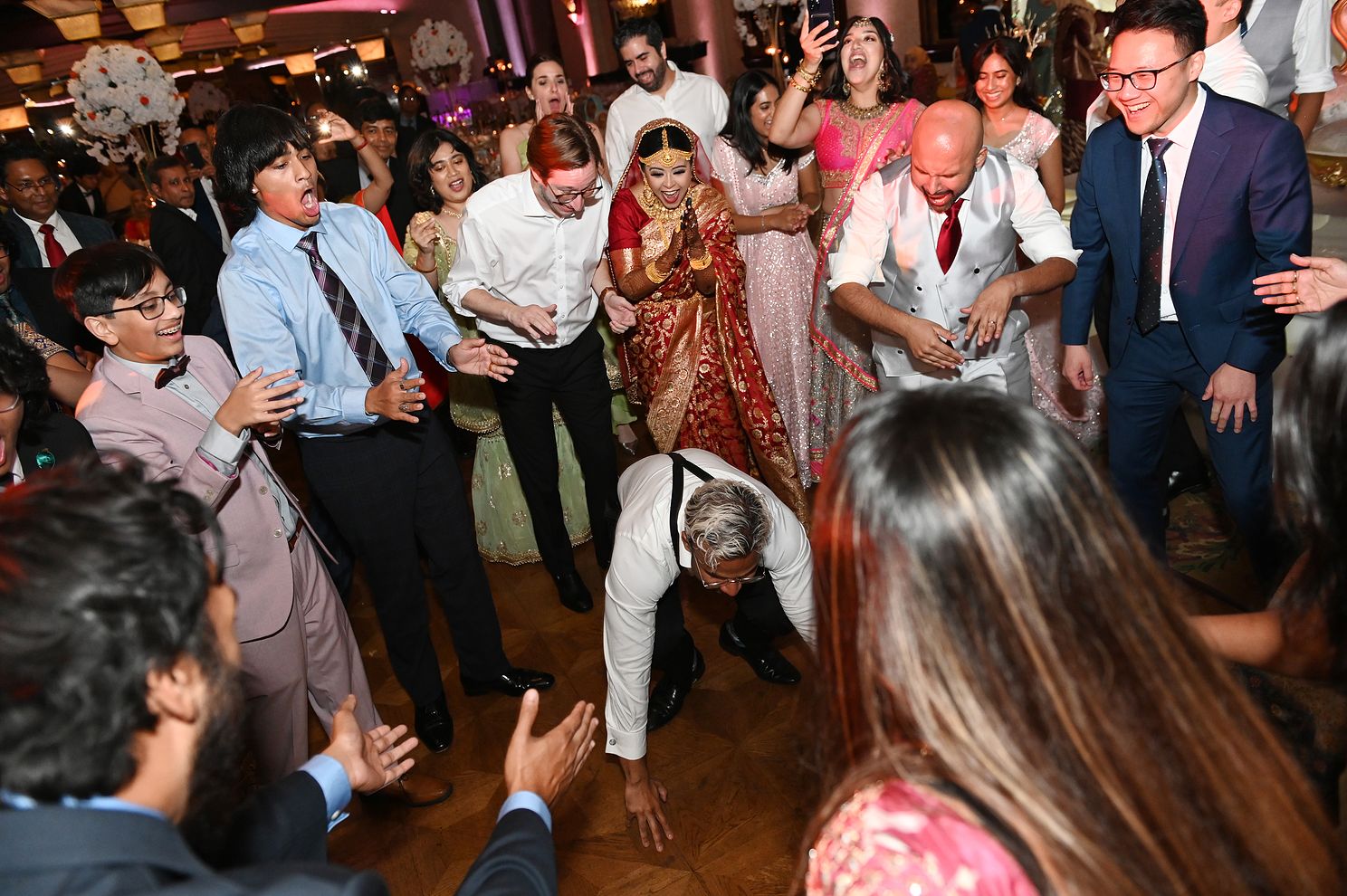
A Hindu wedding is far more than a ceremony. It is a vibrant, carefully planned celebration filled with tradition, prayer, and joy. In addition, events like the sangeet or garba often play a special role in the experience. A Hindu wedding unites two people emotionally, spiritually, and physically. At the same time, it brings two families together in a meaningful, lasting way. For many couples, the beauty of a Hindu wedding comes from balance. It blends sacred rituals with lively celebration. As a result, the day feels both personal and timeless.
Hindu Wedding Traditions and Family Customs
A Hindu wedding is deeply rooted in regional heritage and family customs. However, traditions can vary widely by background. For example, North Indian, South Indian, Gujarati, Punjabi, and Bengali weddings often follow different rhythms and rituals. Because of that, a Hindu wedding frequently includes several ceremonies leading up to the main event. These gatherings help families connect. They also welcome one another and build excitement for the wedding day.
When planning a Hindu wedding, couples often aim to honor family expectations. At the same time, they want the celebration to reflect their personalities and priorities. Therefore, early communication can be helpful. It allows everyone to align on what matters most, from meaningful traditions to the overall flow of the weekend.
Sangeet or Garba in a Hindu Wedding Celebration
In many families, the sangeet or garba becomes one of the most anticipated parts of the wedding festivities. Above all, these events create space for joy and togetherness before the ceremony. During a Hindu wedding sangeet, loved ones often share music, dance, and laughter. Meanwhile, garba celebrations bring a rhythmic energy that invites everyone to join in. Either way, these events strengthen bonds and set a festive tone for the days ahead.
What is a sangeet?
Hindu Wedding Sangeet or Garba
Before the wedding day, many couples host a sangeet or garba. The choice often depends on regional background. A Hindu wedding sangeet centers on music, dancing, and togetherness. Many describe it as “sung together.” The meaning fits the mood of the night.
Families gather to celebrate the upcoming union. The energy feels warm and welcoming. During a Hindu wedding sangeet, each side may share a folk song or performance. Some families plan choreographed dances. Others prefer playful skits. All ages often participate. That’s what makes the night memorable.
Planning a sangeet or garba can do more than entertain. It can strengthen family bonds early. It also sets the tone for the celebrations ahead.
Hindu Wedding Garba Celebration
A Hindu wedding garba brings a different kind of energy. The dancing is rhythmic and inviting. Guests typically join in quickly. The goal is shared joy, not perfection.
Whether you choose sangeet or garba, these events connect families from the start. They turn introductions into real relationships. They also create fun memories that unite both sides. Many couples say this is when the wedding weekend truly begins.
Hindu Wedding Planning and Timeline Tips
A smooth Hindu wedding starts with a clear plan. Communication matters early and often. Hindu wedding days can include several rituals and entrances. Family blessings also take time. A strong timeline prevents the day from feeling rushed.
Build breathing room into the schedule. Add extra time for transitions. Plan family photos with intention. When the timeline flows well, the Hindu wedding feels effortless. Guests stay engaged. Families feel honored. The couple stays present.
If you include a sangeet or garba, plan for it the same way. Give it its own time and space. That simple choice adds excitement to the days leading up to the main event.