Wedding Mandap: Meaning, Purpose, and Symbolism in a South Asian Wedding
A wedding mandap is more than beautiful décor—it’s the sacred space where a couple begins their marriage through tradition, ritual, and heartfelt vows. In many South Asian celebrations, the wedding mandap serves as the ceremonial focal point: a temporary sanctuary built for one purpose—to honor the union of two people and two families. Exploring the Enchantment of this tradition reveals the deep significance and beauty behind every detail.
What Is a Wedding Mandap?
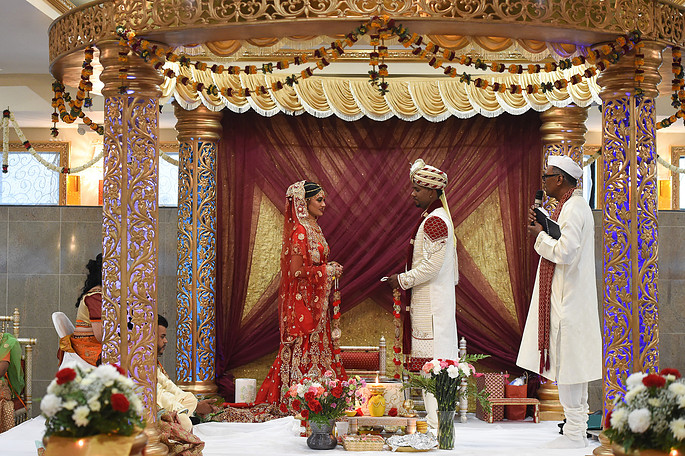
A wedding mandap (often called a wedding altar) is a decorated structure created specifically for the wedding ceremony. It’s typically built on an elevated platform and designed to feel both intimate and grand—like a sacred “room” created inside the celebration. By exploring the enchantment of the mandap design, couples can create a ceremony space that truly reflects their love story.
Why the Mandap Matters
The mandap represents a protected space for the ceremony—symbolizing the start of a new chapter and the couple’s commitment to one another.
The Purpose of the Wedding Mandap
The wedding mandap exists solely to host the sacred rites of marriage. From the moment the couple steps beneath it, the ceremony becomes centered around meaning, tradition, and intention.
A Sanctuary for Vows
Under the mandap, couples exchange vows, blessings, and promises—surrounded by the symbols of prosperity and new beginnings.
Wedding Mandap Design and Décor Ideas
A wedding mandap is often the most visually striking element of the ceremony space. Most mandaps are styled with layered textures and intentional symbolism. Exploring the enchantment found in florals, greenery, and fabrics helps make each design unique.
Common Mandap Décor Elements
-
Flowers and garlands (beauty, joy, fertility)
-
Greenery (growth, renewal, prosperity)
-
Flowing fabrics (purity, softness, tradition)
-
Crystals and candlelight (clarity, energy, a bright future)
Elevated Platform Meaning
Many ceremonies place the mandap on a raised stage, symbolizing the couple stepping upward into a new shared life. In turn, exploring the enchantment of the elevated design allows traditions to shine.
The Sacred Space for the Couple
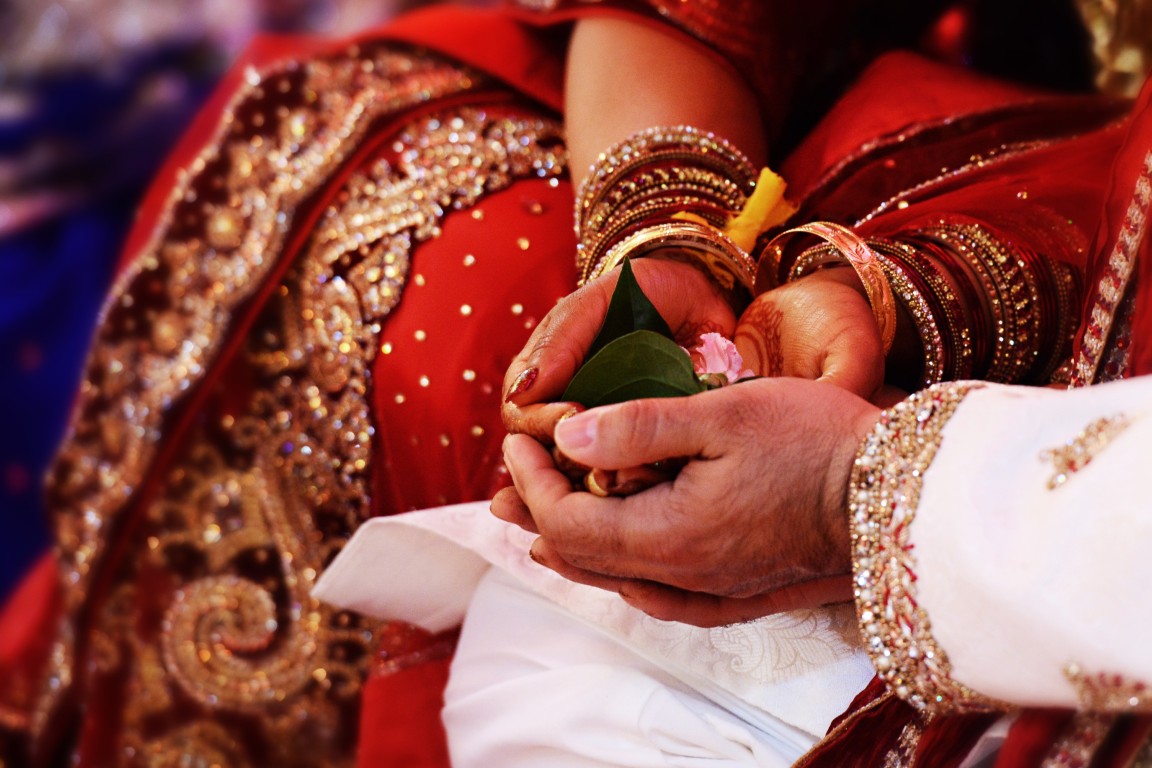
At the heart of the celebration, the wedding mandap creates a defined space where the ceremony becomes personal and powerful. It frames the couple’s emotions—quiet glances, steady hands, and meaningful words—while guests witness the moment from just beyond the canopy.
The Family Tradition Under the Mandap
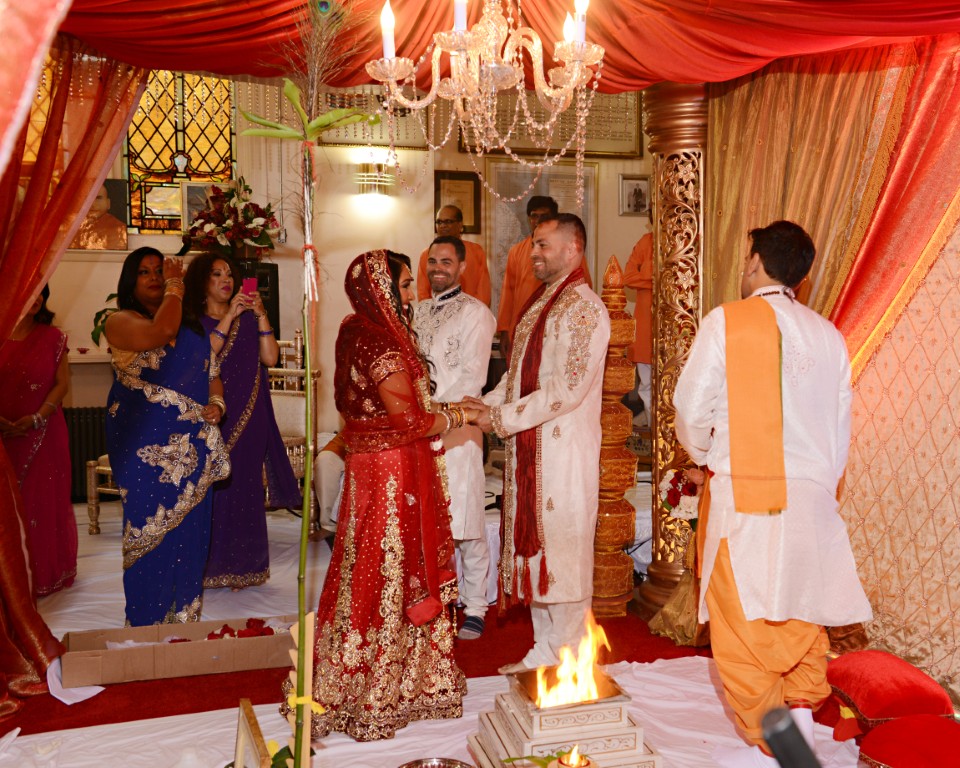
A key tradition is the family circle: parents often join the couple beneath the wedding mandap, symbolizing the joining of two families—not just two individuals.
The Meaning of This Moment
This tradition represents:
-
Support and blessing from both families
-
The merging of histories and values
-
A shared promise for the future
The Officiant’s Role During the Mandap Ceremony
The officiant guides the couple through sacred rites and rituals beneath the wedding mandap, helping the ceremony flow with purpose and reverence. The mandap becomes a witness—holding the words, blessings, and vows within its sacred boundaries.
Symbolism of the Wedding Mandap
Beyond its beauty, the wedding mandap carries deep symbolism.
-
Structure/canopy: protection and sacred unity
-
Four pillars (often): stability and strength in marriage
-
Florals and greenery: fertility and abundance
-
Fabric and light: purity, joy, and hope
Conclusion: The Mandap as a Living Work of Art
A wedding mandap is not merely a structure—it’s a temporary masterpiece built to hold one of life’s most permanent promises. It’s where tradition meets romance, where families unite, and where the ceremony becomes unforgettable. As a result, exploring the enchantment within this moment allows couples and families to appreciate every detail of their wedding celebration.