Interfaith Weddings: Two Faiths, One Love Story
Marriage weaves together lives, values, and beliefs—especially when two religions come together. Because of that, an interfaith wedding becomes a powerful statement of unity, connection, and commitment. Just as importantly, the planning season gives you the perfect chance to set expectations early and create a respectful foundation for future conversations.
Why Interfaith Planning Feels Different
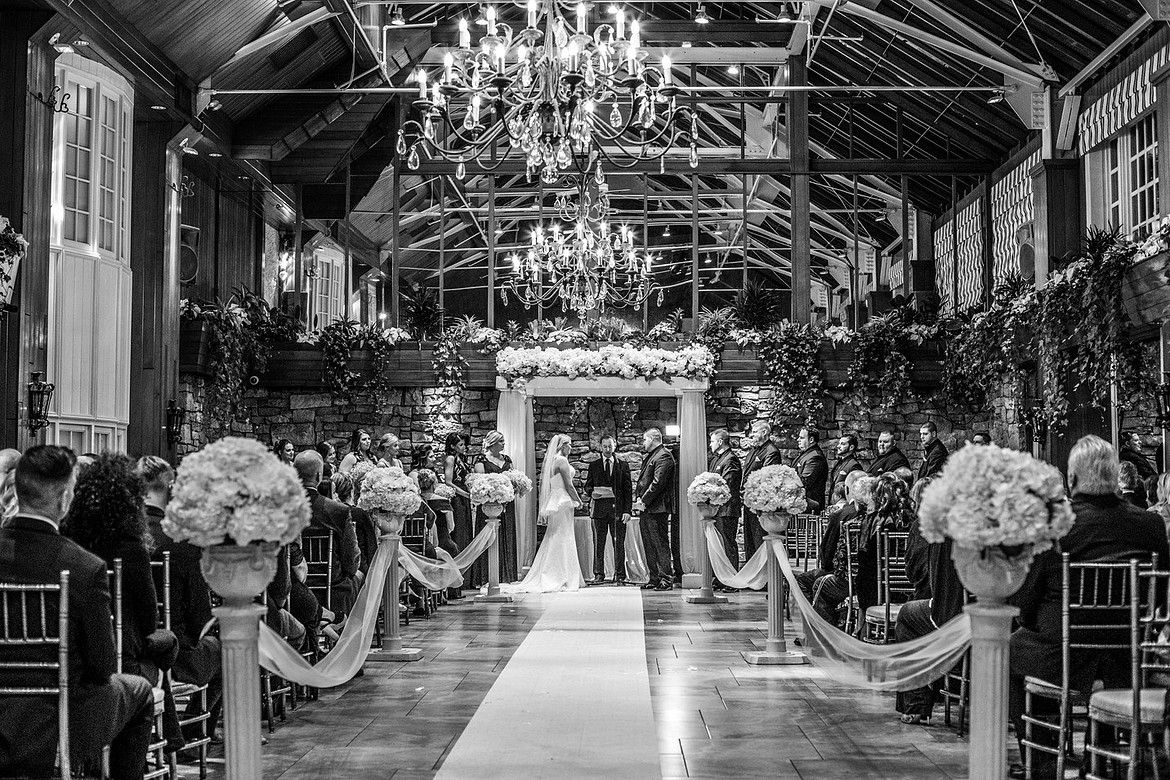
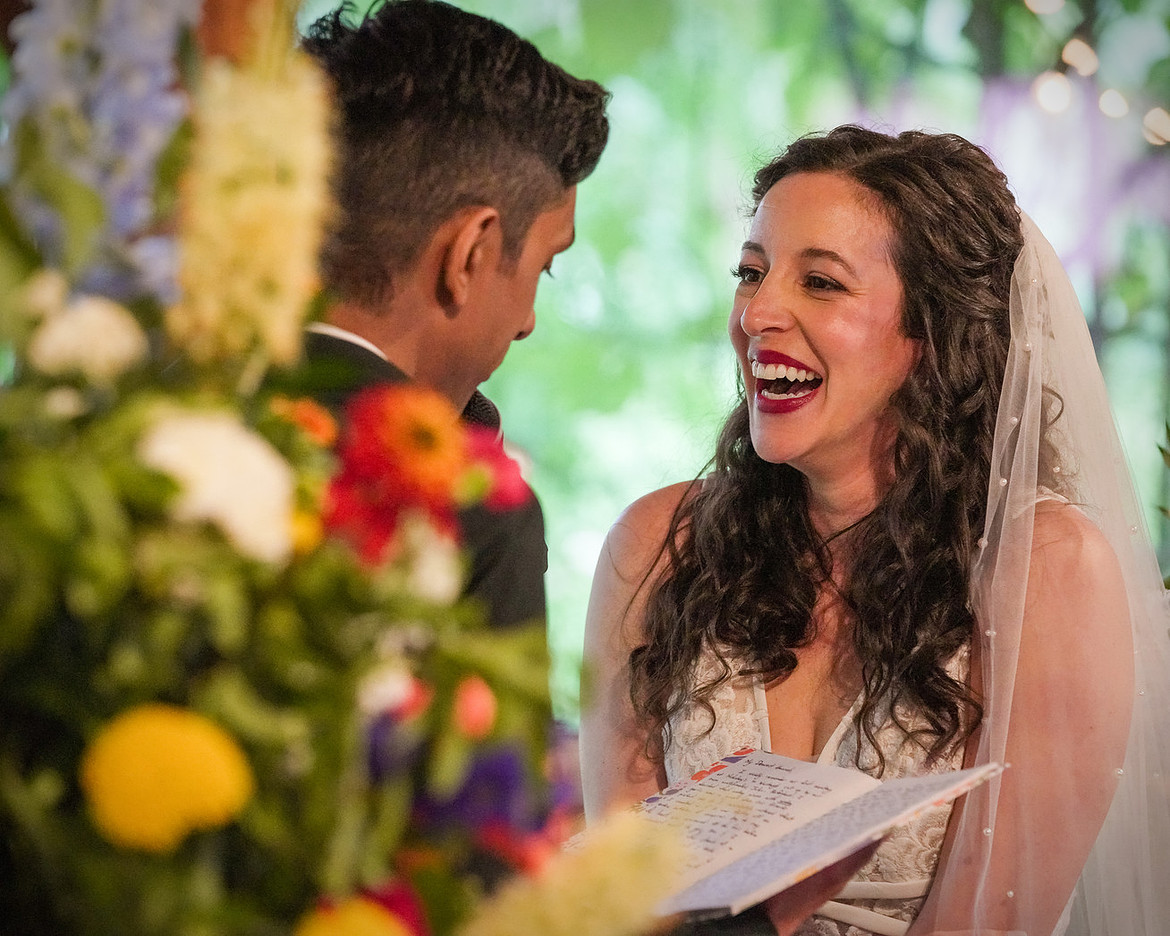
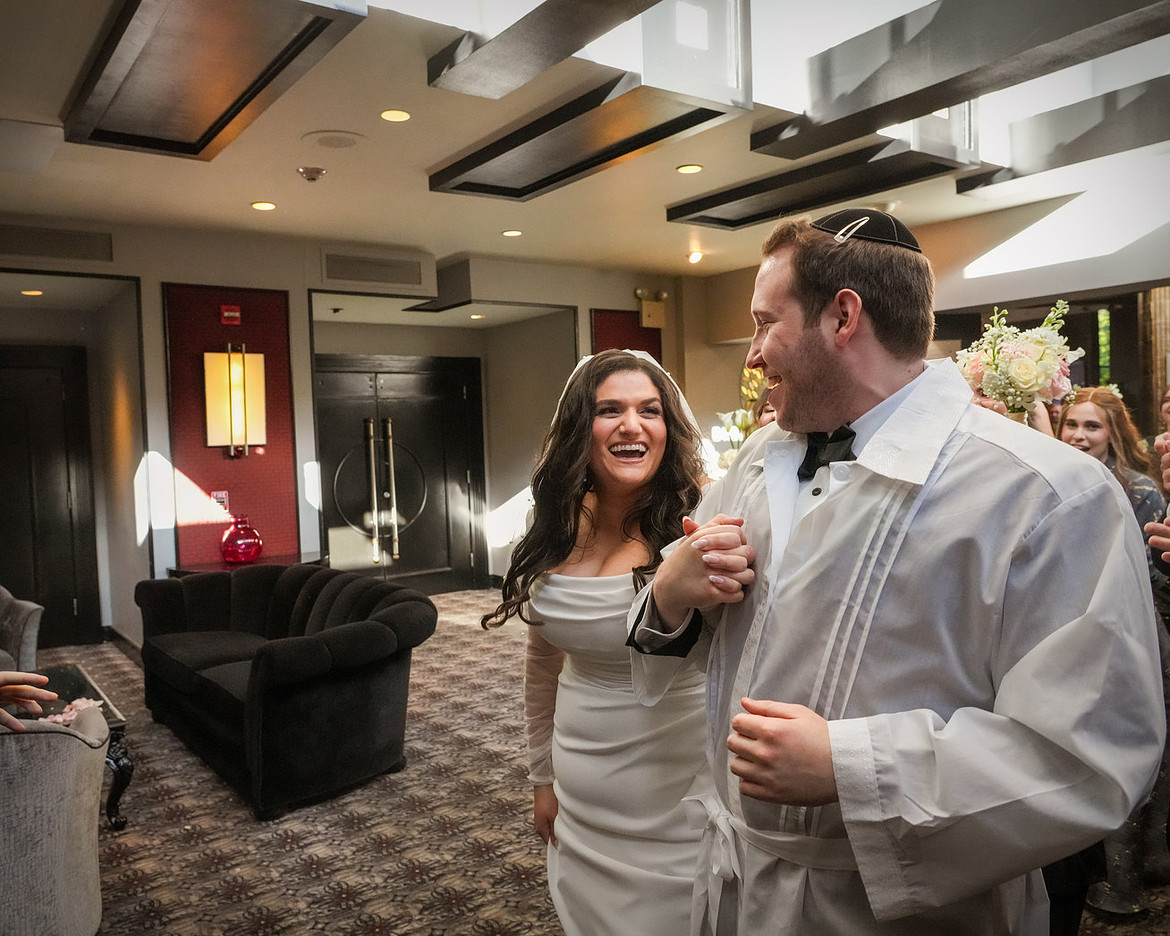
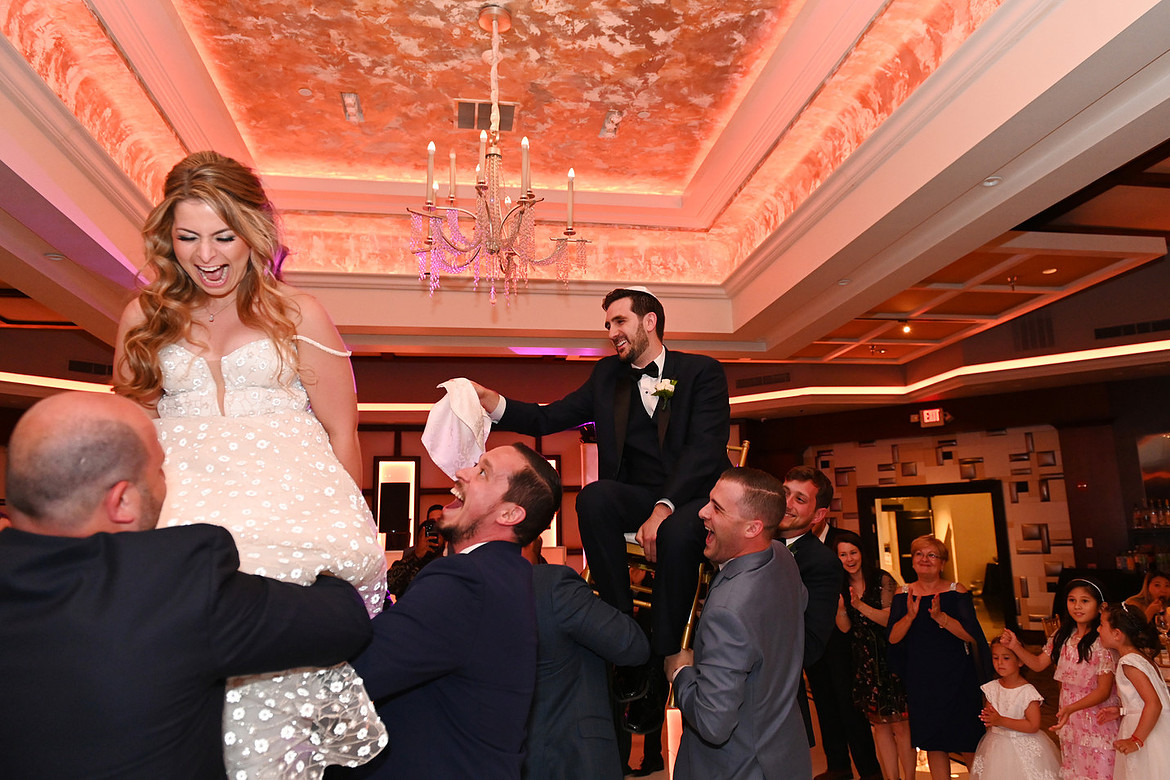
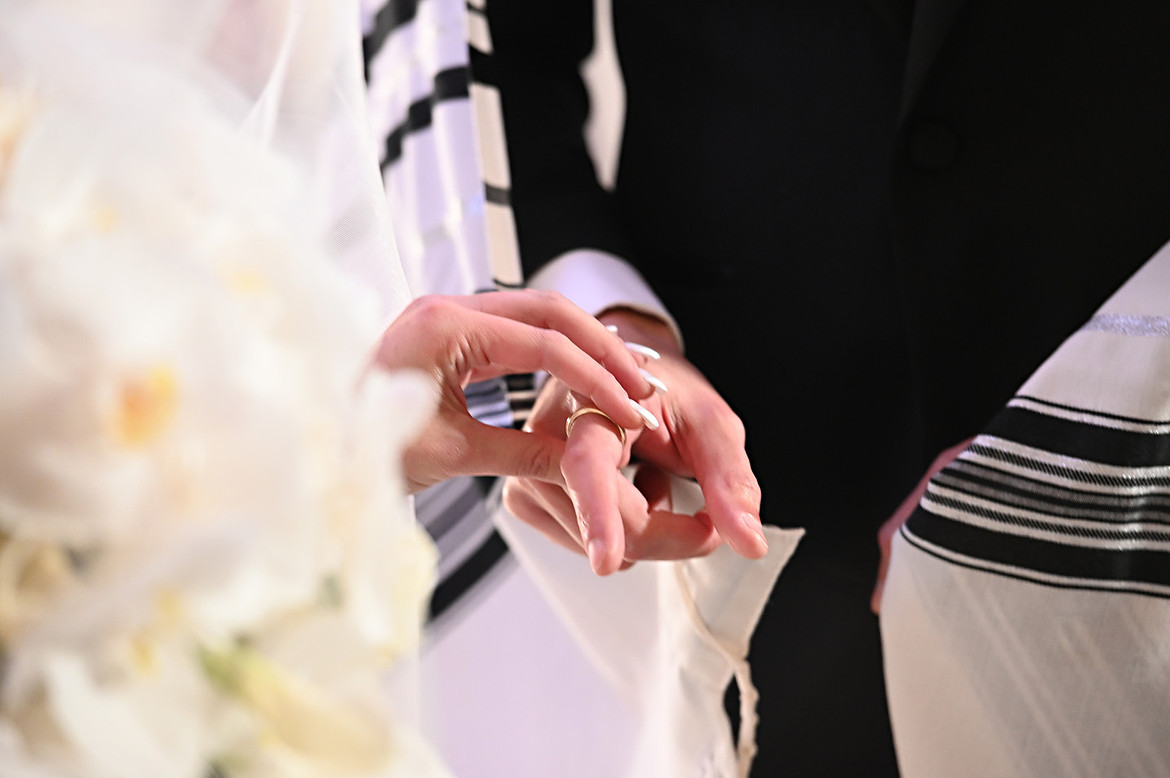
If you grew up in one faith, you may have always pictured a “standard” ceremony. However, when you marry someone from a different religious background, planning can feel more layered. Even so, mixed-faith ceremonies don’t have to be “a compromise.” Instead, they can honor two cultures side-by-side, with love as the common thread. Moreover, the emotional details and meaningful rituals deserve to be documented by experienced professionals who understand the flow, timing, and significance of each tradition.
Planning an Interfaith Wedding Ceremony
Honor Both Families
First, approach family conversations with patience. Then, ask which traditions matter most to each side and why. From there, aim for balance—whether that means sharing readings, blessings, or rituals so both faiths feel seen.
Choose a Neutral Venue or Plan Two Celebrations
Next, consider a neutral venue that feels welcoming to everyone. Alternatively, you can host two ceremonies, or plan one religious ceremony and one secular celebration. Either way, your timeline can reflect what matters most.
Coordinate One or Two Officiants
If you plan to include two officiants, encourage them to collaborate early. That way, the ceremony feels unified rather than split. In addition, interfaith officiants can help blend traditions thoughtfully and keep the experience smooth.
Explain Traditions for Guests
Because some guests may not know certain rituals, add short explanations in your program, on your wedding website, or through the officiant. As a result, everyone feels included and connected.
Blend Symbols and Rituals
You can alternate traditions or merge them with intention. For example, unity ceremonies like candle lighting or handfasting highlight the joining of two lives and two histories.
Include Faith in Your Vows
Finally, consider acknowledging and respecting each other’s faith in your vows. This small moment often carries big meaning.
Simple Ideas Couples Love
-
Unity candle: a clear, visual symbol of togetherness
-
Faith-inspired décor: weave both cultures into the ceremony space
-
Include VIPs: invite key family and friends into meaningful moments
-
A lasting keepsake: save a ceremony guide, candle, or symbolic item as a reminder
A Thoughtful Approach Creates a Beautiful Day
With open communication, understanding, and creativity, you can design a ceremony that honors both faiths while celebrating one shared future.